
We are welcoming research on PathoSchema®
An academic brief for students and educators to investigate PathoSchema® as a real-world medical education innovation across pathophysiology, diagnostics, clinical skills, patient stories, health economics, global health decision-making, simulation and safe AI use.
Purpose of the brief
Investigate PathoSchema® critically .
Researchers should not simply describe PathoSchema® or write a favourable review. The strongest projects will test whether its design choices actually support learning, where the risks sit, how the platform could be improved, and what evidence would be needed to further streghten adoption in health professions education.
PathoSchema® is an educational platform only. It is not a diagnostic device, clinical decision support system or substitute for professional judgement.
What PathoSchema® contains
A multi-layer medical education ecosystem
PathoSchema® gives students multiple researchable layers rather than a single “app review” topic.
Mechanism-first condition articles across 15 categories including diagnostics, hepatobiliary, respiratory, cardiology, neurology, mental health and more.
Condition-linked patient-story videos that can be studied for empathy, illness narrative, patient voice and humanised clinical learning.
“Did You Know?” entries linking disease learning to countries, cultures, engineering systems, landscapes and credible source material.
Global health command scenarios based on past crises including H1N1, Haiti cholera, COVID-19, Zika, mpox, opioid crisis, Fukushima, SARS, Chernobyl and Ebola.
Academic introduction
What is PathoSchema®?
PathoSchema® by Astavalence is a mechanism-based medical education platform designed to help learners connect pathophysiology with diagnostics, investigations, clinical signs, imaging, patient communication, clinical skills and health-system thinking. It uses vivid global analogies, visual explanation, patient stories, simulation and applied reasoning tasks to help learners move beyond memorisation toward mechanistic understanding.
PathoSchema® is especially suitable for research because it raises genuine educational questions: Can analogy improve durable understanding? Can patient stories humanise pathophysiology mechanisms? How does this translate into clinical practice ? Can health economics make pathophysiology understanding more concrete ? Can AI-simulation improve clinical skills and decision-making? Can AI-generated images be safely incorporated into medical teaching? Can AI-supported game analytics help learners reflect on leadership under uncertainty?
Research map
The app angles students can investigate
Global mechanism atlas
Research how country-linked analogies help learners remember and explain disease mechanisms. The critical issue is whether the analogy is accurate, culturally respectful and educationally useful.
Pathophysiology simulators
Research whether interactive physiology labs help students develop mental models of shock, V/Q mismatch, intracranial pressure, portal pressure, insulin-glucose control, oxygen delivery and sepsis.
Clinical skills and procedure simulators
Research simulator design for OSCE learning and procedures such as ABG, IV cannulation, chest drain, lumbar puncture, central line, bronchoscopy, NIV, ventilation, CRRT, ERCP and tracheostomy.
Investigation Studio
Research how learners reason backwards from FBC, LFTs, ABG, CSF, urine/fluids, microbiology, coagulation and toxicology results to mechanisms, dangerous diagnoses and next steps.
Safe AI image generation
Research how educators can use AI-generated images safely for explanation, simulation and scenario design without creating false anatomy, biased representation or misleading clinical visuals.
Global health strategy game
Research whether past-event decision simulators can improve clinical leadership, uncertainty management, systems thinking, equity under pressure and crisis communication.
Patient stories
Research whether patient narratives make mechanisms and clinical skills more humane, memorable and ethically grounded without reducing patients to teaching objects.
Globe and health economics
Research how global health-system data, such GDP, health expenditure, UHC, doctors, beds, life expectancy and burden indicators influence learner understanding of disease beyond the individual patient.
Short examples
Concrete examples students can understand quickly
Use these examples to show students what “researching PathoSchema®” actually means.

Diabetic retinopathy × Sundarbans
Research rationale: Students can test whether a branching mangrove-waterway analogy helps learners understand leaky, blocked and oxygen-starved retinal microvasculature.
Possible mini-question: Does the image improve mechanism recall, or does it distract from retinal anatomy?

Heart failure × Panama Canal
Research rationale: Students can explore whether learners can transfer from a lock-system analogy to preload, congestion, reduced forward flow and compensatory mechanisms.
Possible mini-question: Does the analogy help learners explain why oedema and breathlessness occur?

Thrombocytopenia × Bilum
Research rationale: Students can evaluate whether cultural analogies are respectful, memorable and mechanistically faithful when explaining platelet loss and mucocutaneous bleeding.
Possible mini-question: What makes a cultural analogy educational rather than decorative? Are we promoting global health EDI ?
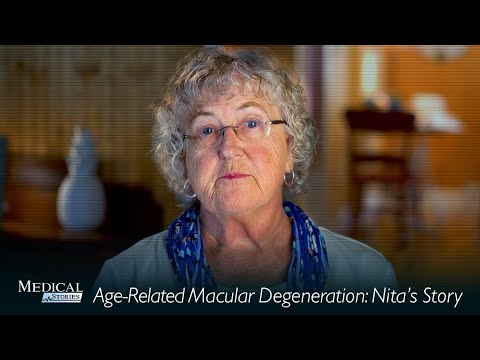
AMD: Nita’s story
Research rationale: Students can study whether patient stories help learners connect macular damage with lived experience, communication and functional impact.
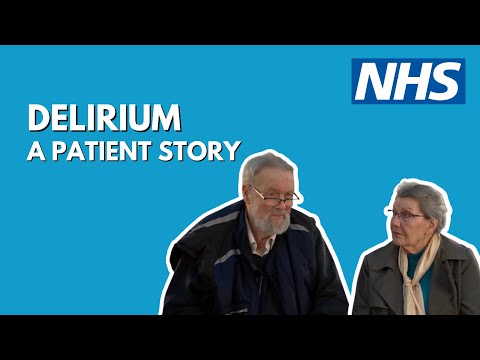
Delirium: patient experience
Research rationale: Students can investigate whether narratives improve recognition of fluctuating attention, communication difficulty and family/carer perspectives.

Delirium × Atacama telescope
Research rationale: Students can test whether a clouded-observatory analogy supports understanding of acute, fluctuating attention and awareness.
AI research strand
Artificial intelligence: focus areas for safe, serious research
The AI strand : How can medical educators use AI responsibly for images, visual explanation, simulation, feedback, leadership reflection and decision-making education? Are educators aware of the AI tools available to them ?
1. AI image generation for medical education
Core issue: AI images may be visually persuasive but clinically wrong, biased or culturally distorted. This makes them a perfect research topic for medical educators.
- When are AI-generated images useful for mechanism explanation?
- What should educators check before using an AI image in teaching?
- How should AI images be labelled, watermarked or disclosed?
- Can AI images support inclusive representation without stereotyping?
- Should AI-generated clinical images ever be used in assessment?
2. How educators safely include AI in teaching
Core issue: Medical education needs AI literacy, human oversight, source checking, learner transparency and assessment redesign.
- What minimum AI literacy should medical educators have?
- How can educators distinguish acceptable AI support from unsafe automation?
- How should students declare AI use in live briefs?
- What governance checklist should apply before AI tools enter teaching?
- How do we preserve clinical judgement when AI is used for explanation or feedback?
3. AI layer in the global strategy game
Core issue: AI could help analyse learner decisions, identify leadership patterns and compare choices against historical crisis decisions — but it must avoid false certainty.
- Can AI feedback improve crisis reasoning without oversimplifying leadership?
- Can AI identify patterns such as late escalation, optics-first decisions or trust-building?
- How should counterfactual “what if?” feedback be labelled as educational, not factual history?
- Can AI analytics help learners reflect on equity under pressure?
- What safeguards prevent learners from treating game scores as objective leadership diagnoses?
4. AI, clinical leadership and decision-making
Core issue: The most novel question is not whether AI can answer exam questions. It is whether AI-enhanced simulation can improve judgement under uncertainty.
- Can repeated AI-supported debrief improve escalation judgement?
- Does simulation help learners recognise weak signals before collapse?
- Can AI feedback develop systems thinking in advanced practitioners?
- How should uncertainty, public trust and health-system integrity be represented ethically?
- What is the boundary between learning analytics and over-surveillance of learners?
Global health game
Decision-making research using past global events
The strategy game gives students a strong research angle because it converts historical public-health crises into decision environments. Each scenario contains visible meters, hidden systems, win/loss conditions and six-turn leadership pressure.
The decision problem
Students choose under uncertainty: act early with incomplete data, preserve trust, protect health-system integrity, coordinate internationally and avoid stigma or delay.
The measurable layer
The game tracks concepts such as transmission pressure, detection gap, public trust, system integrity, international leverage, hidden chains, rumour resistance and cross-border seepage.
The learning claim to test
Does repeated decision simulation improve clinical leadership, strategic reasoning, communication, equity awareness and escalation judgement?
Scenario examples in the current dataset
- The Vaccine Race: H1N1 severity uncertainty and vaccine-lag management.
- After the Quake: Haiti cholera, sanitation breakdown and humanitarian trust.
- The First Wave: early COVID-19, testing blindness, restrictions and hospital strain.
- The Pregnancy Crisis: Zika, reproductive risk, vector control and stigma-sensitive leadership.
- Global Alert: mpox, targeted containment and trust with affected communities.
- Overdose Surge: opioid crisis, harm reduction and fragmented governance.
- Cascading Failure: Fukushima, technical uncertainty and evacuation logic.
- Hospital Shock: SARS Toronto, nosocomial spread and staff confidence.
- Reactor 4: Chernobyl, early disclosure and protective action.
- The Window Before Collapse: West Africa Ebola escalation and hidden spread.
Globe and health economics
Health economics and global disease context
The Globe/Health System Atlas creates a research opportunity beyond individual disease mechanisms. Students can examine whether seeing health-system data changes how learners understand disease burden, resource constraints and policy choices.
Spend % GDP
How much national economic output is allocated to health?
GDP per capita
What is the macroeconomic context for feasible health-system choices?
UHC index
How wide is essential service coverage?
Workforce and beds
What clinical capacity exists before a crisis or chronic burden escalates?
Research question bank
Suggested high-quality student research questions
Students should select one focused strand. The best projects will be critical, small enough to complete, and grounded in evidence.
1. Mechanism-based learning and analogy fidelity
- Does PathoSchema® improve learners’ ability to explain mechanisms rather than recall isolated facts?
- Which analogy features make a disease mechanism easier to understand?
- How accurate is the mapping between analogy components and biomedical mechanisms?
- When does analogy oversimplify or distort pathophysiology?
- Can a rubric be developed to assess analogy fidelity, cultural respect and educational usefulness?
2. Patient stories and humanising pathophysiology
- Do patient stories improve empathy, communication and clinical relevance when learning mechanisms?
- How do learners connect lived experience with signs, investigations and clinical skills?
- Do patient narratives reduce mechanistic detachment or risk emotional overload?
- What makes a patient story ethically appropriate for education?
- Can patient stories improve students’ ability to explain disease to patients?
3. AI image generation in medical education
- What governance checklist should medical educators use before teaching with AI-generated images?
- Can AI-generated images improve conceptual understanding without reducing clinical accuracy?
- How do learners judge the trustworthiness of AI-generated medical visuals?
- What types of medical images should not be generated by AI for teaching?
- How should educators disclose AI-generated images to students?
4. Safe AI inclusion in teaching practice
- What AI literacy do medical educators need before integrating AI into teaching?
- How should AI use be declared in teaching materials and student assessments?
- Can AI-supported feedback improve reflection without replacing expert judgement?
- How can institutions prevent AI from widening inequities in learning?
- What local policy would make AI use safe, transparent and educationally useful?
5. Clinical leadership and global decision-making simulation
- Can historical global-health simulations improve decision-making under uncertainty?
- Do learners become better at recognising weak signals, hidden spread and delayed consequences?
- Can AI-supported debriefing improve leadership reflection after a simulated crisis?
- How should game scoring represent public trust, equity and health-system integrity?
- Does comparing learner decisions with historical choices deepen systems thinking?
6. Health economics and the Globe page
- Does health-system data help learners understand disease burden beyond the individual patient?
- Can GDP, health expenditure and UHC data improve students’ reasoning about feasible interventions?
- Do students make different prevention or diagnostic priorities when resource constraints are visible?
- How should health economics be taught without overwhelming pathophysiology learners?
- Can PathoSchema® bridge pathophysiology, population health and policy reasoning?
7. Clinical skills and procedure simulators
- Do clinical skills simulators improve sequencing, rationale and safety awareness before OSCE practice?
- Can procedure simulators reduce cognitive load before supervised practice?
- Which simulator feedback features best support deliberate practice?
- How should simulators teach complications, contraindications and consent?
- Can students transfer simulator learning to spoken clinical explanations?
8. Investigation and diagnostic reasoning
- Does the Investigation Studio improve learners’ ability to reason backwards from abnormal results?
- Can FBC/LFT/ABG/CSF cases improve explanation of “why this result is abnormal”?
- How do learners prioritise dangerous diagnoses after using structured investigation cases?
- Does linking investigations to condition articles improve transfer?
- What errors do students make when moving from pattern recognition to mechanism explanation?
9. Multimedia learning, design and cognitive load
- Do images, text, analogies and animations work together or compete for attention?
- Where does PathoSchema® reduce cognitive load, and where might it add unnecessary load?
- Which pages best follow multimedia learning principles?
- Does “beautiful design” improve learning or simply increase engagement?
- Can students design an evidence-based improvement to one PathoSchema® page?
10. Inclusion, culture and global representation
- Do global analogies make medical education feel more inclusive?
- How can cultural examples be used without stereotyping or tokenism?
- Do learners from different backgrounds respond differently to country-linked examples?
- What safeguards are needed when educational design uses cultural heritage, landmarks or national symbols?
- Can global analogy-led learning support EDI goals in health professions education?
Suggested project formats
Simple routes for students
Critical review
Students select one feature and critique it using theory and literature. Best for short timelines.
Small evaluation
Students run a small pre/post task, survey, think-aloud session or focus group, subject to ethics/module rules.
Design improvement brief
Students produce an evidence-based improvement plan for one pathway, simulator, AI policy, patient-story layer or globe page.
Evidence and theory signposts
Useful literature anchors
These are starting points. Students should use them to structure the research question, not decorate the bibliography.
| Area | Why it matters for PathoSchema® research | Starting link |
|---|---|---|
| Constructive alignment | Use this to test whether intended outcomes, learning activities and assessment tasks align. | Advance HE: constructive alignment |
| Authentic assessment | Use this to justify a live brief where students investigate a real educational product. | Authentic assessment in health professions education |
| Cognitive load theory | Use this to evaluate whether analogies, images and simulators reduce or increase mental effort. | AMEE Guide: cognitive load theory |
| Multimedia learning | Use this to evaluate words, pictures, animation and interactive design. | Mayer: science of learning in medical education |
| Simulation and deliberate practice | Use this to study clinical skills and procedure simulators. | Simulation-based medical education with deliberate practice |
| Serious games | Use this to evaluate the global strategy game and leadership simulation. | Systematic review of serious games in medical education |
| AI image generation | Use this to study bias, visual plausibility, clinical fidelity and educator safeguards. | AI-generated images in medical education review |
| AI ethics for health | Use this to frame human oversight, transparency, accountability, safety and equity. | WHO AI ethics and governance for health |
| Large multimodal models | Use this to examine AI systems that generate or interpret text, images and video. | WHO guidance on large multimodal models |
| Generative AI in education | Use this to discuss learner disclosure, educator policy and responsible institutional use. | UNESCO guidance on generative AI in education |
| Health economics | Use this to interpret health expenditure, GDP and system capacity data on the Globe page. | World Bank: current health expenditure % GDP |
Ethics and boundaries
Important guidance for students
Research conduct
- Any data collection with learners must follow module and institutional ethics requirements.
- No patient-identifiable data should be collected.
- Students should declare any use of generative AI according to local policy.
- Critique is welcome; unsupported claims are not.
Product and IP
- PathoSchema® is a registered trademark of Astavalence.
- Students may evaluate and critique the educational design.
- Students should not reproduce substantial proprietary content or build derivative commercial products.
- PathoSchema® is educational only and is not for diagnosis or patient-specific advice.
Suggested final output
A strong student submission could be a 2,000-word critical report, poster, narrated slide deck, mini evaluation, AI image safety checklist, patient-story analysis, clinical skills simulator critique, global-game leadership analysis, health economics teaching proposal or evidence-based design improvement plan.
Contact: hari@astavalence.ai